iOccupationalTherapy.com – Call us: 866-782-9924

Bridging The Generation Gap: Teaching and Working with Different Generations

Bridging The Generation Gap: Teaching and Working with Different Generations
Yolanda Griffiths, OTD, OTR/L, FAOTA
April 29, 2015
Share:

Learning Objectives

Our objectives this afternoon are to look at the characteristics and learning preferences of various generational groups.  In the first half of this presentation, I will compare and contrast different generational cohorts.  Towards the end of this presentation, I will focus more on the millennial generation.  I will describe some tips and personal experiences of successfully teaching the millennial generation student. 

Generational Cohorts

For the first time in history we have four distinct generations interacting in the classroom.  Ryder (1965), as well as Strauss and Howe (1991), were some of the first researchers to study generational cohorts.  You are looking at groups of people that belong to a particular generation that share specific characteristics, attitudes, and values.  There are also certain historical events or societal actions that happened during that generational time that impacted beliefs, behaviors, and values.  It is understandable not to want to stereotype a whole generation of individuals.  You will always find someone who says “I don’t fit into that particular mold,” and that is not my intention.  The unique concept of generational cohorts is that if you can understand the context or influences of which persons from a particular generation grew up, you can then maybe understand how those values translate into the workplace and also how to teach persons of that generation. 

When we look at the generational cohorts, depending upon the researcher or scholar, the dates vary maybe one or two years.  The GI Generation, also called the Veterans or Traditionalists, were born between 1925 and 1945.  For some of you, this will be your great-grandparents, grandparents, and for some your parents.  Those born 1946 to 1964 are called the Boomers, the Boom generation.  This is a very large cohort right now that is aging and coming into retirement.  These were the children of the GI generation, who came back from the war, and this is the reason why this is a very large cohort.  The next generation is 1965 to 1979 and is considered Generation X.  You might have heard of Gen-Xers.  Below them, Generation Y (Net Generation or Millennials) are the majority we see in college classrooms right now.  They are born between 1980 to 1994.  The Millennial generation students do not like to be called the Millennial generation because it is so "1999".  Taking a look below Generation Y or the Millennials is Generation Z.  This generation does not exactly have a nickname yet.  These are students or individuals born between 1994 to 2003.  These are the teens that are coming to college next.  I am going to compare and contrast the following cohorts to give you an idea of who these particular individuals are.
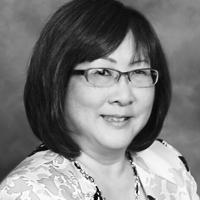

yolanda griffiths

Yolanda Griffiths, OTD, OTR/L, FAOTA

Yolanda Griffiths, OTD, OTR/L, FAOTA, is a professor and chair of occupational therapy at Drake University. Dr. Griffiths has been a leader in the profession of occupational therapy holding leadership positions within the AOTA Commission on Education and ACOTE Roster of Accreditors as well as founding member of the Leaders & Legacies Society. Dr. Griffiths has been pursuing a research agenda on civil incivility within the workplace for the past year and continues to strive to create a workplace where all are respected, valued, and engaged to their full potential.


Related Courses

Elder Abuse and Child Abuse: Know the Signs and Your Role
Presented by Kathleen Weissberg, OTD, OTR/L
Video
Course: #4370Level: Intermediate1 Hour
Elder abuse and neglect and child abuse and neglect are harsh realities. This course will identify the physical, clinical, and behavioral indicators of physical, emotional, and sexual abuse needed to identify and report to appropriate agencies. Participants will gain an improved awareness of warning signs of abuse, the clinician's role in reporting abuse, and the steps for reporting abuse and getting proper assistance.

Bullying Among Older Adults: Not Just A Playground Problem
Presented by Kathleen Weissberg, OTD, OTR/L, CMDCP, CDP
Video
Course: #5660Level: Introductory1 Hour
The definition and incidence of bullying in adult living communities and day centers including what older adult bullying looks like in this population are reviewed in this session. Characteristics of older adult bullies as well their targets and gender differences will be explored. The reasons why bullying occurs as well as the five different types of bullies are defined. Interventions for the organization, the bully, and the target will be reviewed to help communities minimize (and prevent where possible) bullying and mitigate the effects on the target. Addressing bullying behavior among older adults is critically important for enhancing quality of life and promoting emotional well-being; strategies to create caring and empathic communities for all residents and staff members are also reviewed.

Culture And Spirituality For The Therapy Practitioner
Presented by Scott Wengerd, D.Min, MOT, OTR/L
Video
Course: #5414Level: Introductory2 Hours
Culture and spirituality are two of the most significant factors that influence the therapist-client relationship and the outcomes of the therapy process. The course examines the aspects of culture and spirituality that are frequently not discussed but help the therapy practitioner understand, relate to, and serve the client more effectively, resulting in better outcomes.

Medicare Part B Coding And Billing For OT Services In Long-Term Care: An Update
Presented by Kathleen Weissberg, OTD, OTR/L, CMDCP, CDP
Video
Course: #5687Level: Intermediate2 Hours
An in-depth review of Medicare Part B coding and billing, including CPT coding, unit-to-minute conversion, appropriate use of evaluation codes, reimbursement for assistants under Medicare Part B, and RTM codes will be reviewed. Using multiple examples, therapists will learn how to be compliant with coding, thorough in documentation to support skilled interventions, and detailed to avoid common errors. A review of elements known to trigger medical review including coding and documentation to support the plan of care is offered and tips and strategies for successfully managing medical review will be explored.

Facilitating Client Emergency Preparedness
Presented by Amber L. Ward, MS, OTR/L, BCPR, ATP/SMS, FAOTA
Audio
Course: #5488Level: Introductory1 Hour
This course will offer options, materials, information, and education about how to facilitate emergency preparedness in clients and caregivers and how to potentially help keep clients safer. We will discuss our roles for various emergencies, including in the home, in the community, large-scale emergencies, and natural disasters; resources will be shared both for OT professionals and to share with clients/caregivers.