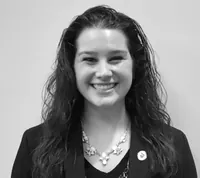
Editor's note: This text-based course is a transcript of the webinar, Health And Wellness Assessment In Older Adults, presented by Victoria Gazzillo, OTD, OTR/L.
*Please also use the handout with this text course to supplement the material.
Learning Outcomes
- After this course, participants will be able to identify the dimensions of wellness..
- After this course, participants will be able to recognize factors that can impact and/or support holistic health care and wellness practices with older adults.
- After this course, participants will be able to explain assessment tools that can be utilized to practice holistic health care and wellness when working with older adults.
Introduction
Good afternoon, everyone. My name is Dr. Victoria Gazzillo, and I’m calling in from Northern New Jersey to present today’s webinar. Thank you so much for your attendance and participation in this session. I am very excited and passionate about speaking on health and wellness across all stages of life, with a particular focus on how we can integrate assessment and holistic health care practices when working with older adults.
I received my doctorate from Boston University through the post-professional Doctor of Occupational Therapy program. My dissertation focused on promoting the role of occupational therapy in providing mental health and wellness services, particularly with adolescent male wrestlers in a secondary school setting. I had just begun practicing in home health geriatrics during my doctoral studies. That experience was pivotal for me. I saw a significant need for holistic health care and wellness practices, not only with the older adult population I was serving but also across all ages—adolescents, pediatrics, and adults. It deepened my conviction that this topic is applicable across the lifespan and in every practice setting.
Before pursuing my doctorate, I completed my Master of Science in Occupational Therapy and Bachelor of Science in Health Science at the University of Scranton. From the beginning of my academic career, I was passionate about holistic healthcare and wellness, especially regarding mental, emotional, and sociological well-being. I was drawn to questions about promoting quality of life, strengthening well-being, and enriching our interactions with environments and daily activities.
My professional journey has taken me through many practice settings, for which I am very grateful. In October, I will mark six years as a licensed occupational therapist, and I can honestly say that time has flown by. Currently, I work as a pediatric therapist in the public school sector and an outpatient clinic affiliated with a hospital. Beyond these roles, I’ve been fortunate to implement holistic health care and wellness practices in international service settings, community-based practice with adults and young adults with developmental and intellectual disabilities, and medical-based settings.
I also have professional passions that continue to shape my practice. One of these is promoting functional and accessible communication, particularly through American Sign Language. I find it incredibly meaningful to help children and families develop different forms of communication that support them at home, in schools, and their communities. I am also deeply invested in vocational rehabilitation, especially with adolescents and young adults navigating those critical transitions into meaningful employment, volunteer opportunities, and community participation.
Service and social justice are also close to my heart. While at the University of Scranton, I worked with the Service and Social Justice Office, an experience that taught me the value of looking at the whole person—their physical environment, emotional well-being, mental health, and spiritual life. That perspective has remained central to my work and continues to guide my thinking about holistic care and wellness.
Agenda
Our agenda for today and the listed learning outcomes will give us a clear breakdown of what this webinar will cover. We will begin by defining what constitutes an older adult and review the common practice settings where we may encounter this population in clinical health care. From there, we will move into defining and understanding the Eight Dimensions of Wellness, focusing on how these dimensions specifically apply to older adults.
We will then identify the various factors that can impact health and wellness in this population. Once we recognize these factors, we will explore using this awareness to review and apply assessment tools that capture quantitative and qualitative data. This process will guide us in designing and implementing a comprehensive care plan for our clients.
As we examine assessment tools, we will also consider how this information translates into practice by generating potential intervention ideas. These interventions will reflect how we can apply health and wellness constructs, practices, and frameworks directly within occupational therapy to support older adults meaningfully and holistically.
Defining the Older Adult
Let’s begin by defining what we mean when discussing an older adult. According to the World Health Organization, older adults are classified as anyone aged 60 years or above. Since 2020, the WHO has been particularly committed to promoting the health and wellness of this population. Their census data predicts that by 2050, one in every five people worldwide will be an older adult, compared to the current ratio of about one in every seventeen.
This expansion of the lifespan is a beautiful development. Still, it also raises important questions for health disciplines: how do we work together to support longevity and quality of life, engagement, and participation for older adults? The WHO has shifted its focus to the concept of healthy aging. Rather than focusing solely on chronological age as the defining factor, healthy aging emphasizes developing and maintaining functional ability that enables well-being in older age.
This approach considers not just whether someone has lived a long life, but how they are living. Can they function in their daily lives, participate in meaningful roles, engage in activities that matter to them, and maintain independence? Healthy aging is defined as supporting older adults to remain active, involved, and empowered in the occupations and roles that give their lives meaning.
Conceptualizing Healthy Aging
There are multiple avenues to consider when we look at the concept of healthy aging. The first begins with both physiological and psychological well-being. When I meet or start working with an older adult, I ask myself: how is their overall sense of well-being, and how are they experiencing the changes that naturally occur with aging? These changes may stem from the normal progression of the body, from the recent onset of an illness, disability, or injury, or simply from how their daily routines interact with their body functions. It is about understanding how the body works for them and how they perceive that experience.
As physical changes occur, there is always a psychological component to consider. How does a person feel that something once effortless now requires more effort? For example, someone may recall being able to climb a full flight of stairs with ease, yet now finds themselves out of breath after only five steps. This shift is not just physical—it can be intensely emotional, requiring individuals to cope with and adapt to the reality of what their bodies can and cannot do.
Healthy aging also accounts for the presence or absence of disease or illness. Some individuals must adjust to a new diagnosis that appeared suddenly, while others may not have any medical conditions. Regardless of circumstances, the central question becomes: how am I coping with daily life and routines, and how can I continue to promote my aging process in ways that are healthy, fulfilling, and meaningful?
For many older adults, this means finding ways to participate fully in the lives of those they love and to remain engaged in activities that bring them purpose and joy. This is why we keep returning to the phrase holistic health and well-being. It encompasses more than just physical health—it is about maintaining balance and inclusion across all aspects of life.
Eight Dimensions of Wellness
When we talk about healthy aging, we look at the whole person. The eight dimensions of wellness give us a framework to do just that. They allow us to ask: what does holistic health truly mean, and how do we find concrete ways to identify and support it? Quality of life, after all, is not only about physiological health. A person may have strong vitals and appear medically “healthy,” yet if they lack social supports or meaningful community engagement, their quality of life may be significantly impacted.
Social and economic status play a powerful role here. Financial strain, limited access to resources, and unstable housing can all contribute to stress and reduced opportunities for engagement. Nutrition is another critical factor—how someone fuels their body directly influences energy and participation. Similarly, vocational or occupational roles matter: whether an individual works in physically demanding conditions or in sedentary environments, their health and energy are affected. Education level also shapes opportunities and access across the lifespan, influencing how a person experiences aging and wellness.
Physical health is often the first dimension people think of, but it is not the only contributor. Exercise and activity are important, but they are not the whole picture. Sleep plays a vital role in energy restoration, yet older adults often experience disturbances due to pain, illness, medication side effects, or even anxiety after a fall or transition. Nutrition and hydration are equally crucial—metabolism naturally slows with age, and if nutrition or hydration is inadequate, energy and participation in daily occupations suffer.
Mental health is just as significant as physical health. I often say that everything comes from the inside out. Someone may appear physically strong and active, but if their mental health is struggling, it will impact how they approach daily life. Mental health challenges are sometimes overlooked when physical measures look “good,” yet a lack of social supports or persistent anxiety can deeply undermine well-being. Research has identified mental health as a critical component of healthy aging, and prevention and treatment must be taken seriously.
Unfortunately, there are stigmas and assumptions about older adults. We tend to expect physical frailty—slower movement, decreased grip strength, balance difficulties—and psychological decline, such as cognitive impairment or mental health concerns. These assumptions can overshadow other challenges, such as social frailty. Isolation, loneliness, changes in housing, safety concerns, and reduced financial resources all weigh heavily on older adults. Transitions like downsizing a home, moving to a new community, or experiencing the loss of income can erode resilience and self-esteem.
Unexpected life events, such as the sudden loss of a loved one or a fall leading to surgery, also disrupt healthy aging. At the same time, even planned transitions—like a child’s marriage and move to another state—can carry both joy and grief. Considering all these components is essential for understanding true quality of life. It also means asking directly: what is going well right now that you want to maintain, and what are the areas you find challenging or would like more support with?
This is where the eight dimensions of wellness come in. The World Health Organization and many practice frameworks emphasize them as continuous, interconnected, and holistic. They do not exist in isolation but flow together in a circular process that supports balance and growth. I’ve personally drawn on this framework across all my practice settings—from home health geriatrics to school-based therapy, community work, and even international service. It is versatile, individualized, and powerful in guiding care.
The eight dimensions are physical, spiritual, emotional, occupational, intellectual, environmental, financial, and social. Each brings its own layer to well-being. Physical relates to health status, medical conditions, and how the body is cared for. Spiritual relates to beliefs, rituals, or community practices that influence meaning and daily routines. Emotional involves self-esteem, conflict management, and how we value ourselves and others. Occupational covers roles—whether employment, caregiving, homemaking, or volunteer work—that provide purpose and engagement. Intellectual focuses on learning, reasoning, problem-solving, and stimulation, while environmental looks at how safe, accessible, and supportive a person’s surroundings are. Financial wellness is about managing resources, income, and commitments. Social wellness encompasses the connections, groups, and relationships that keep people engaged and supported.
As we move forward, we will explore how these dimensions are not only tools for assessing and supporting older adults but also reflections for ourselves. When we think about them in our own lives, they become a guide for self-reflection and balance, which in turn strengthens how we show up as practitioners.
Factors Impacting Health and Wellness
How does that look across multiple practice settings when you may be working with an older adult?
Factor: | Setting: Home | Setting: Hospital | Setting: Community |
Mobility (Physical, Environmental) | Durable Medical Equipment
Stairs | Connected to machines/monitors
Fall Risks | Uneven terrain
Access to alternate entrances and universal design |
Support Systems (Social, Emotional, Intellectual, Spiritual) | Presence of family/caregivers
Family schedules
Financial restrictions | Presence of family/friends
Emotional distress, fear, uncertainty
Restrictions with food or clothing | Limited access to group activities
Absence of interests
Difficulty with transportation methods |
Income/Housing (Financial, Psychological | Pressure to pay expenses, medication, supplies | Medical bills, surgeries, complications, unexpected procedures, discomfort | Safety/security
Limited access due to rising costs, fear of falling, unsure of surroundings |
On the left, you’ll see some of the factors directly connecting with the eight wellness dimensions. One of the most significant is mobility. Mobility can be influenced not only by physical wellness but also by environmental conditions. In the home setting, for example, barriers such as stairs, narrow doorways, or inaccessible bathrooms may interfere with independence unless there are modifications or durable medical equipment. In a hospital setting, mobility may be restricted because of fall risks, the need for constant monitoring, or being connected to machines after surgery or illness. Even in the community, mobility can be challenged by uneven terrain, inaccessible buildings, or entrances not designed with universal access. Something as simple as needing to take a side entrance through a ramp—poorly marked and away from the main entrance—can create frustration, disorientation, and a sense of exclusion. What begins as a physical and environmental challenge often extends into the social and emotional realm, leaving someone feeling unwelcome or hesitant to engage in public spaces.
Another factor is support systems. These influence social, emotional, intellectual, and even spiritual wellness. Having family or caregivers nearby can make an enormous difference in the home setting. Someone surrounded by relatives, friends, and neighbors may feel supported and engaged. In contrast, someone living far from loved ones—or with very limited social ties—may struggle with loneliness and disconnection. Even when family is present, logistical and financial barriers such as conflicting schedules or travel costs can reduce support consistency.
In the hospital setting, this difference is often striking. I have seen patients surrounded by visitors at nearly every hour of the day, and I have seen others go through hospitalization without a single visitor. Being in the hospital usually means facing a significant physical or psychological stressor. Emotional distress, fear, and uncertainty can intensify without supportive people nearby. Even seemingly small details—such as wearing a hospital gown, following dietary restrictions, or undergoing repeated blood draws—can make someone feel vulnerable, further taxing their emotional and intellectual wellness.
Community settings bring another layer of challenges. Limited opportunities for engagement can leave someone without meaningful outlets for their interests. For example, an older adult who loves live music and theater may find the nearest venue 45 minutes away, with no transportation options or companions available to join them. Transportation barriers—whether difficulty coordinating public transit or the absence of accessible options—compound this limitation, restricting access to groups and activities that foster connection and belonging.
Income and housing are additional critical factors. Financial wellness and psychological well-being are directly tied to the ability to meet basic expenses. Rising medication costs, the price of supplies, or the burden of unexpected hospital procedures can create financial strain and emotional stress. The loss of familiar comforts—like sleeping in one’s own bed or having access to preferred clothing—adds to the psychological toll of hospitalization.
In the community, housing quality, neighborhood safety, and affordability all matter. Limited income may restrict not only living arrangements but also participation in community events. A fear of falling or feeling unsafe in a new environment may discourage someone from going out at all. These combined pressures—financial strain, reduced social interaction, and uncertainty about safety—can significantly erode quality of life.
Mobility, support systems, and financial stability illustrate just how interconnected the eight dimensions of wellness are. What may appear as a single issue in one dimension often ripples across several others, shaping the overall experience of health and well-being in older adulthood.
Overview of Assessment Tools
As we identify and acknowledge the eight dimensions of wellness and how each contributes to healthy aging and overall quality of life across the lifespan, the question becomes: how do we, as healthcare professionals, provide meaningful support from the beginning of our services? Every care plan and access point to services begins with evaluation and assessment. This is especially true in working with older adults, where we must integrate quantitative and qualitative data. Numbers—such as vitals, diagnostic indicators, and precautions—are essential from a medical standpoint. Yet, if we are truly practicing holistically, we must also consider what comes from the inside out: the personal challenges, emotional responses, and environmental barriers that shape participation in everyday occupations.
The Canadian Occupational Performance Measure (COPM) is one of the most valuable tools for gathering qualitative data. Normed for all ages, it identifies areas of difficulty with everyday tasks by centering the client’s perspective. It is readily available and provides insight into multiple aspects of engagement, making it a strong foundation for client-centered care.
The Functional Autonomy Measurement System (SMAF) is another important tool, particularly because the World Health Organization classified it for use with older adults with and without disabilities or impairments. It emphasizes quantitative data through therapist observation of performance in specific task areas, but it also incorporates client and family reports, giving a balanced view of function and lived experience.
The Assessment of Motor and Process Skills (AMPS) is unique in that it is normed across the entire lifespan, from two years old through 65 and above. This assessment is focused on analyzing client performance in everyday activities of daily living, with attention to 16 motor tasks and 20 process skills. It is quantitative, reflecting real-life performance and supporting clinical reasoning around daily occupation.
Finally, the Modified Barthel Index, normed for adults ages 18 through 65 and older, provides a structured way to measure functional independence. While primarily quantitative, it offers flexibility by allowing input from clients, family members, and staff in institutional settings such as hospitals or assisted living facilities. This makes it particularly valuable when direct self-reporting is not feasible.
Each of these assessments highlights the importance of balancing numbers with narrative. Together, they allow us to construct a comprehensive picture of both ability and experience—ensuring that our interventions are rooted in measurable outcomes and the client’s sense of self, participation, and wellness.
Assessment of Motor and Process Skills (AMPS)
The first assessment I want to review is the Assessment of Motor and Process Skills, often called the AMPS. This tool requires additional training and certification to administer, so for our purposes today, I’ll provide a brief overview.
The AMPS examines two primary domains: motor skills and process skills. The 16 motor skills focus on how the body is used during daily tasks. They include body positioning, obtaining and holding objects, moving oneself and objects, and sustaining performance over time, which also ties into endurance. These areas highlight how efficiently and effectively a person can physically engage with their environment.
The 20 process skills, on the other hand, are connected more to executive functioning, drawing from both intellectual and cognitive capacities. These skills relate to how a person organizes, plans, sequences, and adapts during task performance. They give us insight into reasoning, judgment, problem-solving, and the ability to manage routines and unexpected changes.
Together, the AMPS provides a structured way to evaluate the physical and cognitive dimensions of daily living, offering a clear picture of where strengths and challenges lie in real-world occupational performance.
Functional Autonomy Measurement System (SMAF)
The Functional Autonomy Measurement System, or SMAF, is designed primarily for hospital and community settings. It evaluates a person’s functional independence across various tasks and is scored on a four-point scale. A score of zero indicates complete independence, meaning the individual requires no assistance, prompting, or supervision of any kind. At the other end of the scale, a score of three reflects full dependence, where the person requires consistent support to complete the task.
This scaling allows us to capture performance nuances, from fully independent to those needing occasional cues or partial assistance to entirely dependent. Using this structured approach, the SMAF identifies current levels of function and highlights areas where targeted intervention or environmental modification may help increase autonomy and overall quality of life.
Modified Barthel Index – Quantitative (11 Components)
The next assessment tool to review is the Modified Barthel Index. This tool is primarily quantitative and uses a scoring scale of 0, 5, and 10, reflecting the levels of support required to complete specific tasks. It focuses on activities of daily living, including feeding, bathing, grooming, dressing, bowel and bladder management, toileting, transfers such as chair to bed, mobility on level surfaces, stair use, and wheelchair mobility when applicable. Importantly, it also considers the impact of mobility devices, allowing us to see whether tasks are performed and how they are completed with supports in place.
The Barthel Index is somewhat more straightforward in its distribution compared to the Functional Autonomy Measurement System. The SMAF extends further into areas such as communication, cognition, and instrumental activities of daily living—looking at memory, orientation, judgment, behavior, community integration, and home management. The Barthel Index, by contrast, zeroes in on core daily tasks and provides a quick, structured picture of a person’s functional baseline.
One of the strengths of the Barthel Index is its simplicity. As a clinician, I value that it gives clear scores while allowing individualized consideration. For example, if a person can complete bathing independently using a shower chair, tub bench, or long-handled loofah, that independence is recognized in the scoring. The emphasis is not on what the individual can no longer do, or what they once could do, but on what they can accomplish in the present moment. This helps establish a functional and independence baseline, guiding treatment planning and intervention goals.
As with all assessment tools, the focus should remain on ability, not limitation. The Modified Barthel Index encourages us to see where independence exists, even if aided by adaptive equipment, and build from that foundation. In this way, it supports a more holistic view of function, combining quantitative data with meaningful interpretation for both the clinician and the client.
COPM (Visual)-Qualitative
Now let’s turn to a qualitative measure, the Canadian Occupational Performance Measure (COPM). This tool is designed to capture the client’s perspective by focusing on three main areas: self-care, productivity, and leisure.
The first area, self-care, examines how a person conducts personal care and activities of daily living—dressing, bathing, feeding, and hygiene. It also includes functional mobility, such as transfers indoors and outdoors, and community management. This might involve transportation, financial management, shopping, or other activities that require engagement beyond the home.
The second area is productivity. For older adults, this may not involve school or traditional employment, but it often relates to household management, volunteer work, or activities that provide intellectual stimulation and ongoing learning. For younger clients, this category also includes play and school, but for older adults, it centers more on meaningful tasks that contribute to purpose and engagement.
The third area is leisure, which covers quiet recreation, active recreation, and socialization. Quiet recreation may include solitary activities like reading, crafting, or crossword puzzles. Active recreation involves community outings, travel, sports, or physically engaging activities. Socialization captures the interpersonal aspects—writing letters, calling family or friends, visiting, or attending group gatherings and events.
What I particularly value about the COPM is that it does more than record frequency or ability; it highlights how the client feels about their performance. Clients rate each area based on importance, using a 1–10 scale (with one being not important and 10 being very important). From there, they identify the top five areas of concern. For each, they rate their performance (on a 1–10 scale) and their satisfaction with that performance.
For example, if a client struggles with dressing, they may rate their performance a 4 or 5, acknowledging they can complete the task but only with breaks and significant effort. Yet, they may rate their satisfaction as a two because the process is frustrating and time-consuming. These ratings become part of the plan of care and create a baseline for comparison during reassessment. Over time, progress can be measured not only by improved performance but also by changes in satisfaction.
The COPM offers a powerful opportunity for autonomy, allowing clients to set priorities and reflect on progress in personally meaningful ways. It ensures that therapy is clinically effective and aligned with the client’s values, goals, and sense of accomplishment.
Considerations for Assessment(s) Selection
First and foremost, using a mix of qualitative and quantitative data is essential when developing a holistic plan of care. This combination provides the best opportunity to keep the client at the center of the process. It allows us to capture measurable outcomes, such as vitals, functional scores, or task completion, and the client’s lived experiences, perspectives, and satisfaction levels.
When we integrate both types of data, we can consider the full scope of the eight dimensions of wellness. This includes understanding the client’s recent experiences—whether medical, social, or emotional—their support systems, and the environments in which they live and participate. We also examine access and attainability: Do they have the resources and opportunities necessary to maintain independence and wellness?
From there, we can examine what advocacy or training may be needed to promote participation in day-to-day life. This might mean connecting clients with community resources, supporting caregivers, or recommending environmental modifications. Ultimately, blending quantitative and qualitative insights ensures that the plan of care is not just about function but about meaningful independence, engagement, and overall well-being.
Overview of Intervention Ideas for Application of Health and Wellness in Occupational Therapy Practice
When considering intervention ideas for applying health and wellness in occupational therapy practice, it is helpful to remember that interventions comprise three essential elements: the plan, the implementation, and the review. Each stage guides the therapist’s actions toward achieving the client’s goals.
The plan is grounded in the occupational profile, assessments, and evaluation. All the information gathered during this process becomes a resource for designing a plan that addresses the client’s priorities and barriers. Implementation follows, consisting of the treatment selections and strategies to support the client and their family. These interventions are always linked to what is most meaningful to the client and aim to reduce barriers, foster independence, and promote participation.
The review stage allows us to determine how effective and impactful the intervention has supported the client’s goals. Here, we look at quantitative and qualitative data and pay attention to client reports and observations. Has their quality of life improved? Do they appear more positive, motivated, or confident? Are they more interested in engaging in meaningful activities or reporting more satisfaction in their daily routines? These reflections are just as critical as objective measures.
Interventions can take many forms, depending on the client’s needs and learning style. They may be individual, preparatory, educational, or skill-based training. Advocacy often plays a role in ensuring clients have access to necessary supports and resources. Increasingly, group and virtual formats are also being used to expand participation and skill development opportunities. Regardless of the format, the ultimate goal remains the same: to promote functional ability, independence, and wellness in personally meaningful ways to the client.
Case Studies
As we move forward in our presentation, I would like you to consider two case studies, as we've gone through all of our tutorials during this webinar.
Case Study #1
Let’s look at this case example of a 74-year-old man who recently experienced a CVA (stroke). He lives with his adult son, daughter-in-law, and two grandchildren. Upon returning home, he has access to the house's communal areas, his bedroom, and bathroom. Before his stroke, he was a professional chef, but at this point, he cannot cook meals. He has regained improved mobility through rehabilitation, though his standing endurance is limited and requires frequent breaks.
Two intervention methods come to mind to support his goals and quality of life.
One approach would be focused on environmental supports and activity modification. Since his background and passion lie in cooking, it would be meaningful to reintegrate him into the kitchen in a way that accommodates his current endurance level. This might include adaptive kitchen strategies such as providing a high stool or perching chair to reduce the demand for prolonged standing, arranging kitchen tools and ingredients at accessible heights, and breaking down cooking into manageable steps. He could participate in meal preparation by handling tasks that can be done seated, such as chopping vegetables, measuring ingredients, or managing simple stovetop activities with supervision. This type of intervention promotes independence and helps him reconnect with a valued occupation that supports identity and purpose.
A second intervention could focus on endurance and graded activity training. Structured sessions that gradually build his tolerance for standing and moving in the kitchen would target his functional limitation while keeping the goal of cooking in sight. This might involve energy conservation training—learning to pace himself, alternate between standing and sitting, and incorporate rest breaks strategically. It could also include task-specific practice, such as trialing meal prep in short increments, then extending the duration as his endurance improves. At the same time, incorporating family education would be essential so that his son and daughter-in-law understand how to provide the right level of support without over-assisting and encouraging both safety and independence.
By combining environmental adaptation with endurance training, these interventions respect his prior occupation as a chef, build on his regained mobility, and address his current limitations. The goal is not only to restore function but to bring meaningful engagement back into his daily life while promoting confidence and independence in his home environment.
Case Study #2
Alice is a 65-year-old woman who has recently begun feeling imbalanced when navigating her home, especially when getting out of the shower. Although she has not sustained any injuries, her fear of falling has led her to avoid hygiene and grooming tasks. She has also become hesitant to leave her community’s shared spaces, and she no longer feels comfortable driving to church on Sundays, an activity she previously enjoyed.
This case highlights several important factors: the physical concern of balance and fall risk, the emotional impact of fear and anxiety, and the social implications of withdrawing from meaningful activities and community participation. It raises opportunities to think about interventions that address physical safety and confidence building, as well as environmental modifications and strategies to reduce fall risk in daily routines.
Course Review
I know we’ve covered a lot of information today, but I want to leave some space for reflection on how these pieces come together. The eight dimensions of wellness give us a framework for holistic thinking, but the real impact comes from how we apply them in practice. Achieving optimal health and wellness isn’t only about recognizing physical or medical needs; it requires us to consider context, lived experiences, and the unique performance abilities of each client.
Assessment and evaluation are the starting points. They guide us in identifying challenges and strengths and provide the foundation for building an intervention plan. However, the process doesn’t stop there. A review is equally important, allowing us to continually ask whether the interventions produce therapeutic benefits and whether clients are reaching their goals. That cycle of planning, implementing, and reflecting helps us provide care that promotes independence, participation, and quality of life.
This might involve drawing on resources like education, advocacy, and training. It can also include practical supports, such as technology, durable medical equipment, or a home safety assessment, to enhance safety and enable participation. By integrating these supports with a holistic perspective, we give older adults the best opportunity to age in a healthy, meaningful, and fulfilling way.
References
See additional handout.
Citation
Gazzillo, V. (2025). Health and wellness assessment in older adults. OccupationalTherapy.com, Article 5828. Retrieved from https://OccupationalTherapy.com