According to Medicare guidelines, G-codes are needed on the initial evaluation, discharge, 10th visit progress report, re-evaluation, etc. Medicare states that an assistant may not complete this documentation. Always refer to your state practice guidelines, but a good rule of thumb is to follow the more stricter guidelines to be safe.
Continued and its subsidiaries provide professional education authored by qualified Subject Matter Experts for continuing education purposes. These materials are intended for educational purposes and do not constitute medical advice or a substitute for individual clinical judgment. Continued is not a clinical healthcare provider; the licensed professional is solely responsible for ensuring that the application of any techniques or information presented is within their legal scope of practice and jurisdictional requirements.
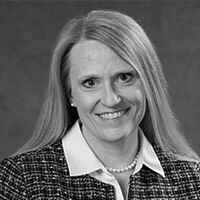
Dr. Kathleen Weissberg (MS in OT, 1993; Doctoral, 2014), in her 30+ years of practice, has worked in rehabilitation and long-term care as an executive, researcher, and educator. She has established numerous programs in nursing facilities, authored peer-reviewed publications on topics such as low vision, dementia quality care, and wellness, and has spoken at numerous conferences both nationally and internationally. She provides continuing education support to over 30,000 therapists, nurses, and administrators nationwide as National Director of Education for Select Rehabilitation. She is a Certified Alzheimerʼs Disease and Dementia Care Trainer, Certified Dementia Care Practitioner, Certified Montessori Dementia Care Practitioner, Certified Fall Prevention Specialist, a Certified Geriatric Care Practitioner, and Trauma-Informed Educator. She serves as the Region 1 Director for the American Occupational Therapy Association Political Action Committee and is an adjunct professor at Gannon University in Erie, PA.
Related Courses
1https://www.occupationaltherapy.com/ot-ceus/course/elder-abuse-and-child-know-4370Elder Abuse and Child Abuse: Know the Signs and Your RoleElder abuse and neglect and child abuse and neglect are harsh realities. This course will identify the physical, clinical, and behavioral indicators of physical, emotional, and sexual abuse needed to identify and report to appropriate agencies. Participants will gain an improved awareness of warning signs of abuse, the clinician's role in reporting abuse, and the steps for reporting abuse and getting proper assistance.auditory, textual, visual129USDSubscriptionUnlimited COURSE Access for $129/yearOnlineOnlyOccupationalTherapy.comwww.occupationaltherapy.comElder Abuse and Child Abuse: Know the Signs and Your RoleElder abuse and neglect and child abuse and neglect are harsh realities. This course will identify the physical, clinical, and behavioral indicators of physical, emotional, and sexual abuse needed to identify and report to appropriate agencies. Participants will gain an improved awareness of warning signs of abuse, the clinician's role in reporting abuse, and the steps for reporting abuse and getting proper assistance.4370OnlinePT60M
'The information provided was organized and important; however, the set-up was boring'Read Reviews
AOTA/0.1 Intermediate, Professional Issues, 11965; CE Broker/1.0 Home Study, General (FL), Patient Related (AL), General Continuing Education (GA), Direct Client/patient Services In Occupational Therapy (SC), Related To OT (AZ), Related To OT (LA), Not Directly Related To OT (MS), Not Directly Related To OT (TN), CE Broker #20-732766; IACET/0.1; NBCOT PDUs/1.25 Intermediate, Geriatrics, Pediatrics
Elder abuse and neglect and child abuse and neglect are harsh realities. This course will identify the physical, clinical, and behavioral indicators of physical, emotional, and sexual abuse needed to identify and report to appropriate agencies. Participants will gain an improved awareness of warning signs of abuse, the clinician's role in reporting abuse, and the steps for reporting abuse and getting proper assistance.
2https://www.occupationaltherapy.com/ot-ceus/course/bullying-among-older-adults-not-5660Bullying Among Older Adults: Not Just A Playground ProblemThe definition and incidence of bullying in adult living communities and day centers including what older adult bullying looks like in this population are reviewed in this session. Characteristics of older adult bullies as well their targets and gender differences will be explored. The reasons why bullying occurs as well as the five different types of bullies are defined. Interventions for the organization, the bully, and the target will be reviewed to help communities minimize (and prevent where possible) bullying and mitigate the effects on the target. Addressing bullying behavior among older adults is critically important for enhancing quality of life and promoting emotional well-being; strategies to create caring and empathic communities for all residents and staff members are also reviewed.auditory, textual, visual129USDSubscriptionUnlimited COURSE Access for $129/yearOnlineOnlyOccupationalTherapy.comwww.occupationaltherapy.comBullying Among Older Adults: Not Just A Playground ProblemThe definition and incidence of bullying in adult living communities and day centers including what older adult bullying looks like in this population are reviewed in this session. Characteristics of older adult bullies as well their targets and gender differences will be explored. The reasons why bullying occurs as well as the five different types of bullies are defined. Interventions for the organization, the bully, and the target will be reviewed to help communities minimize (and prevent where possible) bullying and mitigate the effects on the target. Addressing bullying behavior among older adults is critically important for enhancing quality of life and promoting emotional well-being; strategies to create caring and empathic communities for all residents and staff members are also reviewed.5660OnlinePT60M
'Real life examples helped me understand the severity of this issue for our older population'Read Reviews
AOTA/0.1 Introductory, OT Service Delivery, Foundational Knowledge, 05379; CE Broker/1.0 General (FL), Patient Related (AL), General Continuing Education (GA), Direct Client/patient Services In Occupational Therapy (SC), Related To OT (AZ), Related To OT (LA), Directly Related To OT (MS), Directly Related To OT (TN), CE Broker #20-966634; IACET/0.1; NBCOT PDUs/1.25 Beginner, Geriatrics
The definition and incidence of bullying in adult living communities and day centers including what older adult bullying looks like in this population are reviewed in this session. Characteristics of older adult bullies as well their targets and gender differences will be explored. The reasons why bullying occurs as well as the five different types of bullies are defined. Interventions for the organization, the bully, and the target will be reviewed to help communities minimize (and prevent where possible) bullying and mitigate the effects on the target. Addressing bullying behavior among older adults is critically important for enhancing quality of life and promoting emotional well-being; strategies to create caring and empathic communities for all residents and staff members are also reviewed.
3https://www.occupationaltherapy.com/ot-ceus/course/medicare-part-b-coding-and-5687Medicare Part B Coding And Billing For OT Services In Long-Term Care: An UpdateAn in-depth review of Medicare Part B coding and billing, including CPT coding, unit-to-minute conversion, appropriate use of evaluation codes, reimbursement for assistants under Medicare Part B, and RTM codes will be reviewed. Using multiple examples, therapists will learn how to be compliant with coding, thorough in documentation to support skilled interventions, and detailed to avoid common errors. A review of elements known to trigger medical review including coding and documentation to support the plan of care is offered and tips and strategies for successfully managing medical review will be explored.auditory, textual, visual129USDSubscriptionUnlimited COURSE Access for $129/yearOnlineOnlyOccupationalTherapy.comwww.occupationaltherapy.comMedicare Part B Coding And Billing For OT Services In Long-Term Care: An UpdateAn in-depth review of Medicare Part B coding and billing, including CPT coding, unit-to-minute conversion, appropriate use of evaluation codes, reimbursement for assistants under Medicare Part B, and RTM codes will be reviewed. Using multiple examples, therapists will learn how to be compliant with coding, thorough in documentation to support skilled interventions, and detailed to avoid common errors. A review of elements known to trigger medical review including coding and documentation to support the plan of care is offered and tips and strategies for successfully managing medical review will be explored.5687OnlinePT120M
AOTA/0.2 Intermediate, Professional Issues, 05008; CE Broker/2.0 General (FL), Patient Related (AL), General Continuing Education (GA), Professional/Health Care Related (SC), Related To OT (AZ), Related To OT (LA), Directly Related To OT (MS), Directly Related To OT (TN), CE Broker #20-938568; IACET/0.2; NBCOT PDUs/2.5 Intermediate, Education And/or Research
An in-depth review of Medicare Part B coding and billing, including CPT coding, unit-to-minute conversion, appropriate use of evaluation codes, reimbursement for assistants under Medicare Part B, and RTM codes will be reviewed. Using multiple examples, therapists will learn how to be compliant with coding, thorough in documentation to support skilled interventions, and detailed to avoid common errors. A review of elements known to trigger medical review including coding and documentation to support the plan of care is offered and tips and strategies for successfully managing medical review will be explored.
4https://www.occupationaltherapy.com/ot-ceus/course/health-literacy-in-practice-effective-7018Health Literacy In Practice: Effective Communication And EducationHealth Literacy is the ability to read, compute, understand and act on health information to make informed decisions. Low health literacy is a serious threat to the well-being of persons seeking medical care. With the increasing diversity of clients, we may observe that our communication skills are less effective with people from backgrounds different from our own. In this course, an overview of health literacy is provided. The session will review techniques for clear and effective communication, verbal and written communication with those from other cultures, writing and selecting easy-to-read health materials, and assessment tools to use to ensure that clients understand the therapy services provided and have the skills needed to access, understand, and use health information.auditory, textual, visual129USDSubscriptionUnlimited COURSE Access for $129/yearOnlineOnlyOccupationalTherapy.comwww.occupationaltherapy.comHealth Literacy In Practice: Effective Communication And EducationHealth Literacy is the ability to read, compute, understand and act on health information to make informed decisions. Low health literacy is a serious threat to the well-being of persons seeking medical care. With the increasing diversity of clients, we may observe that our communication skills are less effective with people from backgrounds different from our own. In this course, an overview of health literacy is provided. The session will review techniques for clear and effective communication, verbal and written communication with those from other cultures, writing and selecting easy-to-read health materials, and assessment tools to use to ensure that clients understand the therapy services provided and have the skills needed to access, understand, and use health information.7018OnlinePT60M
'The course was excellent because it highlighted how health literacy directly affects patient understanding, engagement, adherence, and outcomes'Read Reviews
AOTA/0.1 Introductory, OT Service Delivery, Foundational Knowledge, 15691; CE Broker/1.0 CE Broker #20-1377508; IACET/0.1; NBCOT PDUs/1.25 Beginner, Rehabilitation
Health Literacy is the ability to read, compute, understand and act on health information to make informed decisions. Low health literacy is a serious threat to the well-being of persons seeking medical care. With the increasing diversity of clients, we may observe that our communication skills are less effective with people from backgrounds different from our own. In this course, an overview of health literacy is provided. The session will review techniques for clear and effective communication, verbal and written communication with those from other cultures, writing and selecting easy-to-read health materials, and assessment tools to use to ensure that clients understand the therapy services provided and have the skills needed to access, understand, and use health information.
5https://www.occupationaltherapy.com/ot-ceus/course/medicare-part-demystifying-patient-driven-9623Medicare Part A: Demystifying the Patient Driven Payment ModelThis course provides a detailed overview of the Patient-Driven Payment Model (PDPM). It includes concepts such as the interrupted stay, interim payment, coding therapy minutes, student service under Part A, and case mix groups for PDPM.auditory, textual, visual129USDSubscriptionUnlimited COURSE Access for $129/yearOnlineOnlyOccupationalTherapy.comwww.occupationaltherapy.comMedicare Part A: Demystifying the Patient Driven Payment ModelThis course provides a detailed overview of the Patient-Driven Payment Model (PDPM). It includes concepts such as the interrupted stay, interim payment, coding therapy minutes, student service under Part A, and case mix groups for PDPM.9623OnlinePT120M
'The course was excellent because it provided practical, clinically relevant information about Medicare Part A, SNF requirements, PDPM, MDS coding, therapy minutes, and student supervision'Read Reviews
AOTA/0.2 Advanced, Professional Issues, 11386; CE Broker/2.0 CE Broker #20-1282281; IACET/0.2; NBCOT PDUs/2.5 Advanced, Education And/or Research
This course provides a detailed overview of the Patient-Driven Payment Model (PDPM). It includes concepts such as the interrupted stay, interim payment, coding therapy minutes, student service under Part A, and case mix groups for PDPM.