
OccupationalTherapy.com Phone: 866-782-9924


Effective Screening Practices for the LTC Resident

Effective Screening Practices for the LTC Resident
Shelly Mesure, M.S., OTR/L
October 28, 2013
Share:

This text based course is a transcript of the live webinar titled "Effective Screening Practices for the LTC Resident", presented by Shelly Mesure, M.S., OTR/L.

Introduction

Today we are going to be talking about effective screening practices for long-term care residents.  The material here is looking at the whole entire process from what it means to actually screen a resident to performing effective chart reviews, and the clinical decision making on whether or not we only screen, evaluate, or evaluate and treat a patient.  All of those start with the screening process. 

I always wondered why some therapists were effective with their screening while other ones seemed to struggle.  Many therapists do not receive training in their educational programs, I know I certainly did not. Effective screening procedures usually come from on-the-job training.  If you are fortunate to have a good mentor or work for a good company, you may be one of those people that are very effective with screens.  If you have not been that fortunate, then it is no wonder that you may struggle with screens. We are going to explore the screening process today.
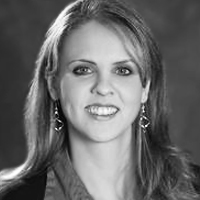

shelly mesure

Shelly Mesure, M.S., OTR/L

Shelly A Mesure, MS, OTR/L, is a nationally recognized industry expert and speaker specializing in training and seminars throughout the United States on translating government regulations to everyday clinical practice. She is also the SVP of Orchestrall Rehab Solutions providing on and off-site consulting services throughout the US and China. She has authored the blog, Rehab Realities, through McKnights.com; has developed continuing education webinars, six-hour live seminars, and various workshops and educational programs. In 2011, Ms. Mesure was featured in News-Line for Occupational Therapy for her efforts in continuing education and consulting work. Ms. Mesure received a BS in Rehabilitation Services with a minor in Gerontology from The Pennsylvania State University and an MS in Occupational Therapy from Rush University in Chicago.


Related Courses

Elder Abuse and Child Abuse: Know the Signs and Your Role
Presented by Kathleen Weissberg, OTD, OTR/L
Video
Course: #4370Level: Intermediate1 Hour
Elder abuse and neglect and child abuse and neglect are harsh realities. This course will identify the physical, clinical, and behavioral indicators of physical, emotional, and sexual abuse needed to identify and report to appropriate agencies. Participants will gain an improved awareness of warning signs of abuse, the clinician's role in reporting abuse, and the steps for reporting abuse and getting proper assistance.

Bullying Among Older Adults: Not Just A Playground Problem
Presented by Kathleen Weissberg, OTD, OTR/L, CMDCP, CDP
Video
Course: #5660Level: Introductory1 Hour
The definition and incidence of bullying in adult living communities and day centers including what older adult bullying looks like in this population are reviewed in this session. Characteristics of older adult bullies as well their targets and gender differences will be explored. The reasons why bullying occurs as well as the five different types of bullies are defined. Interventions for the organization, the bully, and the target will be reviewed to help communities minimize (and prevent where possible) bullying and mitigate the effects on the target. Addressing bullying behavior among older adults is critically important for enhancing quality of life and promoting emotional well-being; strategies to create caring and empathic communities for all residents and staff members are also reviewed.

Culture And Spirituality For The Therapy Practitioner
Presented by Scott Wengerd, D.Min, MOT, OTR/L
Video
Course: #5414Level: Introductory2 Hours
Culture and spirituality are two of the most significant factors that influence the therapist-client relationship and the outcomes of the therapy process. The course examines the aspects of culture and spirituality that are frequently not discussed but help the therapy practitioner understand, relate to, and serve the client more effectively, resulting in better outcomes.

Medicare Part B Coding And Billing For OT Services In Long-Term Care: An Update
Presented by Kathleen Weissberg, OTD, OTR/L, CMDCP, CDP
Video
Course: #5687Level: Intermediate2 Hours
An in-depth review of Medicare Part B coding and billing, including CPT coding, unit-to-minute conversion, appropriate use of evaluation codes, reimbursement for assistants under Medicare Part B, and RTM codes will be reviewed. Using multiple examples, therapists will learn how to be compliant with coding, thorough in documentation to support skilled interventions, and detailed to avoid common errors. A review of elements known to trigger medical review including coding and documentation to support the plan of care is offered and tips and strategies for successfully managing medical review will be explored.

Facilitating Client Emergency Preparedness
Presented by Amber L. Ward, MS, OTR/L, BCPR, ATP/SMS, FAOTA
Audio
Course: #5488Level: Introductory1 Hour
This course will offer options, materials, information, and education about how to facilitate emergency preparedness in clients and caregivers and how to potentially help keep clients safer. We will discuss our roles for various emergencies, including in the home, in the community, large-scale emergencies, and natural disasters; resources will be shared both for OT professionals and to share with clients/caregivers.

Our site uses cookies to improve your experience. By using our site, you agree to our Privacy Policy.